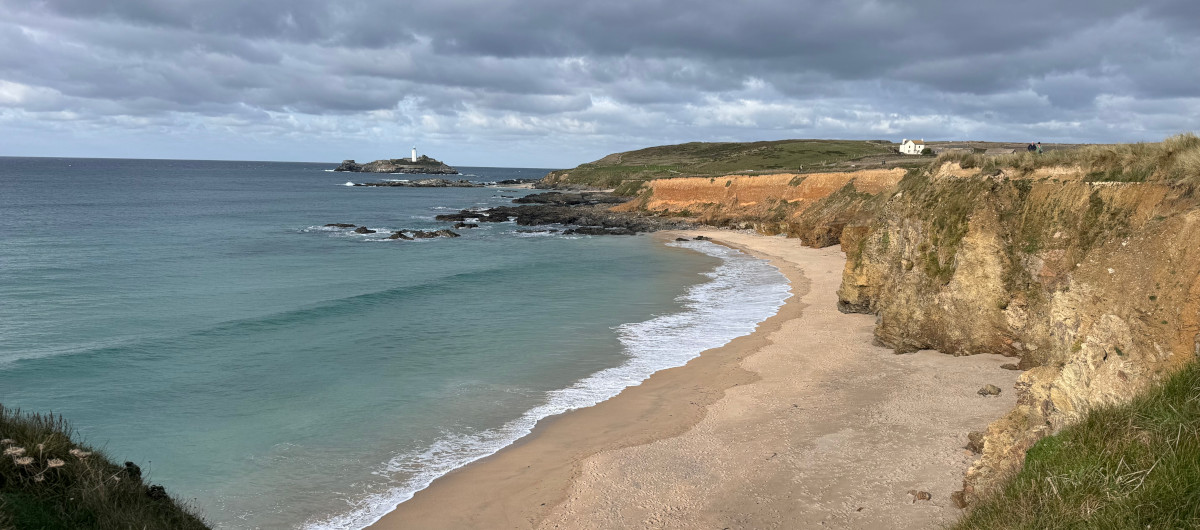
Outdoor psychotherapy and counselling along the stunning 3-mile stretch of golden sand and rugged cliffs of St Ives Bay, Cornwall — an eco-therapeutic approach rooted in nature, movement and presence.
Sometimes sitting face-to-face in a room can feel intense.
Walking side by side often softens that intensity.
Interested in a session?
Contact me to discuss how outdoor therapy could support you.
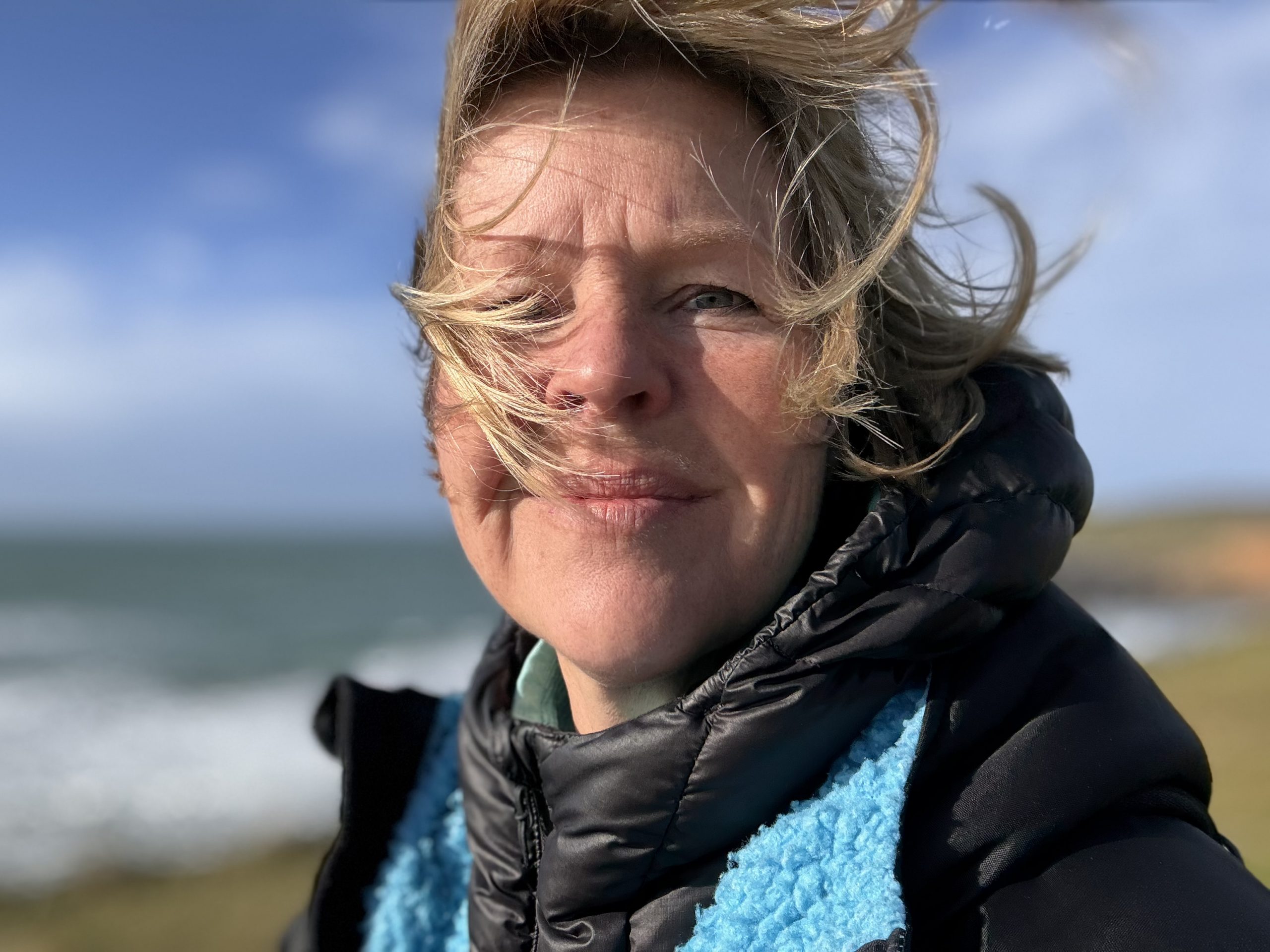 Walk-and-talk therapy offers a different kind of therapeutic space — one where movement, fresh air, and open horizons create a sense of ease and spaciousness, both outside and within.
Instead of sitting indoors or working online, we talk and walk. Sessions are primarily held in person along the coastline and dunes of St Ives Bay. For those further afield, sessions can also take place via phone or video while you walk in a natural setting near you. We can discuss together whether this format would suit your needs. Read more…
What makes outdoor therapy different?
Walk-and-talk therapy combines professional psychotherapeutic support with gentle physical movement in nature.
Outdoor therapy may help with:
life transitions
anxiety, stress, or burnout
grief or loss
trauma or sadness
feeling “stuck” or overwhelm
relationship struggles
- self-esteem & confidence
Among wide-open skies, shifting tides, and Cornwall’s second-largest dune system, many people find it easier to reflect, process, and speak more freely. The natural environment often brings a sense of calm and perspective. Movement helps the body regulate, thoughts flow more easily, and conversations unfold in a more organic way.
You set the pace.
Whether you prefer a quiet, meditative stroll or a more energetic walk, sessions adapt to your rhythm. We’ll choose routes and times that feel calm and comfortable so that you can focus on your experience.
Locations
-
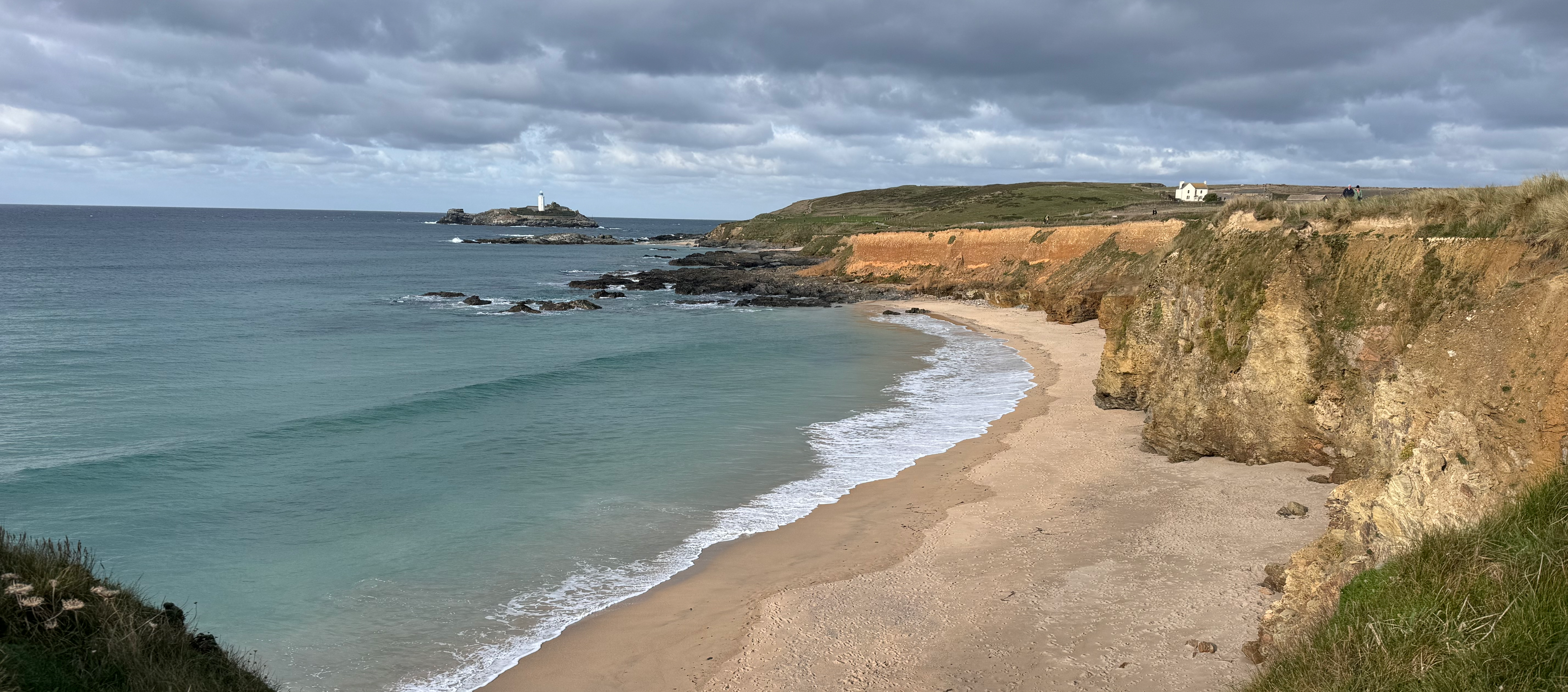
Godrevy National Trust Car Park, St Ives Bay (with views towards Godrevy Lighthouse)
-
Gwithian Towans, St Ives Bay (main cliff-top car park)
Preparation
Just bring comfortable shoes and clothing for the weather, waterproofs and layers may be helpful — we’ll help you feel safe and supported whatever the conditions. Dry Robes and umbrellas can be provided.
If weather conditions are severe, sessions can take place in my mobile office (in-person), moved online or rescheduled.
All routes and paces are chosen based on comfort and ability — you are always in control of the walk.
Godrevy Lighthouse
Published Articles
You can also read more about this approach in:
-
Walking the Talk – Counselling and Outdoor Therapy, published in International Therapist Magazine
-
What is Walk and Talk Therapy? published by Welldoing.org
-
Blog articles including:
If you’re curious about more evidence and thinking behind this work, please read on!
Research and Professional Context
Time in nature has been associated with reduced stress, improved mood, clearer thinking, and enhanced creative and reflective capacity — especially when combined with conversation and movement.
Walking side by side can reduce social pressure and help you feel more at ease during difficult conversations.
Movement itself can also be symbolic. As we walk, we are already enacting change.
Research consistently shows that physical movement enhances mood, reduces symptoms of depression and anxiety, and supports cognitive flexibility. Natural environments — especially those near water — have been shown to further increase wellbeing and self-esteem.
“Some patients may become anxious when confronting something difficult in a traditional seated, face-to-face interaction,” she says. “Walking in parallel with visual distractions may allow for easier engagement.” Kate Hayes, Psychologist
Outdoor therapy is an increasingly recognised and evidence-informed approach. Research in environmental psychology, exercise psychology, and ecotherapy continues to highlight the benefits of combining movement, nature, and therapeutic dialogue.
Studies show that:
-
Physical activity supports mood regulation and reduces symptoms of depression and anxiety
-
Natural environments — especially coastal settings — enhance self-esteem and emotional wellbeing
-
Walking side by side can reduce social pressure and support deeper engagement
Emerging research in environmental psychology and green social prescribing in the UK further supports the role of nature-based interventions in mental health and nervous system regulation.
Professional Dialogue in the Field
Many therapists internationally have found walk-and-talk therapy to be transformative in their clinical practice.
“The simple act of walking while talking through life’s issues creates an environment of possibility and change.” Clay Cockrell, LCSW (New York City)
Kate Hayes, in Working It Out: Using Exercise in Psychotherapy, highlights that integrating movement into therapy:
-
Encourages physical wellbeing alongside emotional processing
-
Helps clients feel less “stuck” when approaching difficult material
-
Enhances mood and supports creative thinking
“Some patients may become anxious when confronting something difficult in a traditional seated, face-to-face interaction. Walking in parallel with visual distractions may allow for easier engagement.” Kate Hayes, in Working It Out: Using Exercise in Psychotherapy
Cathy Brooks-Fincher notes that clients of varying fitness levels often feel more relaxed outdoors, with teenagers in particular finding it easier to open up while walking side by side.
Selected Core References
Key research informing this approach includes:
-
Doucette (2004) – Walk-and-talk therapy with adolescents and pro-social development
-
Pretty & Barton (2010) – Green exercise and improvements in mood and self-esteem
-
Hayes (1999) – Exercise integrated into psychotherapy
-
Jordon & Hinds (2016) – Ecotherapy theory, research and practice
-
Jordon (2015) – Nature and Therapy in outdoor counselling spaces
Full reference details and an additional reading list is available in the Resources section.
If you have any questions, or would like to book a trial session, please contact me.